

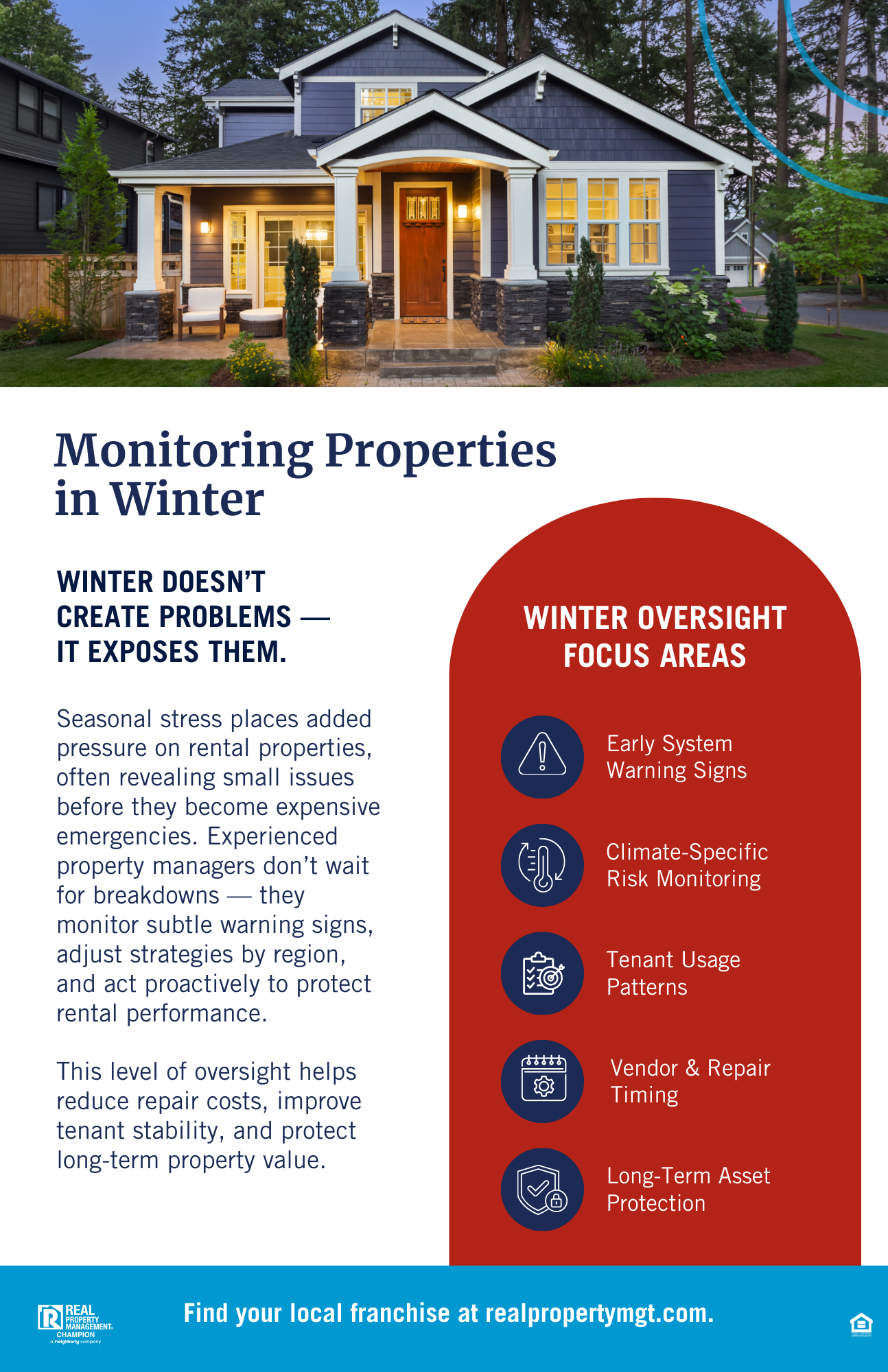
Winter places unique stress on rental properties, often revealing weaknesses that aren’t obvious during warmer months. While many property owners focus on visible seasonal concerns, professional property managers monitor subtle changes that can quickly escalate into costly repairs if left unaddressed.
This proactive oversight is one of the key differences between self-managing a rental and working with an experienced property management team.
The Hidden Risks Winter Brings to Rental Properties
Winter conditions—whether cold, wet, or simply more demanding on building systems—tend to magnify small problems. Minor inconsistencies in system performance or building conditions can worsen quickly under seasonal strain, turning manageable issues into emergencies.
Because space heating accounts for roughly 30% of a typical home’s annual energy use, according to the U.S. Energy Information Administration, winter places significant strain on HVAC systems and mechanical components. That added demand makes early monitoring especially important in rental properties.
Professional property managers focus on identifying these risks early, before they disrupt tenants or impact property performance.
Subtle Warning Signs That Escalate Quickly
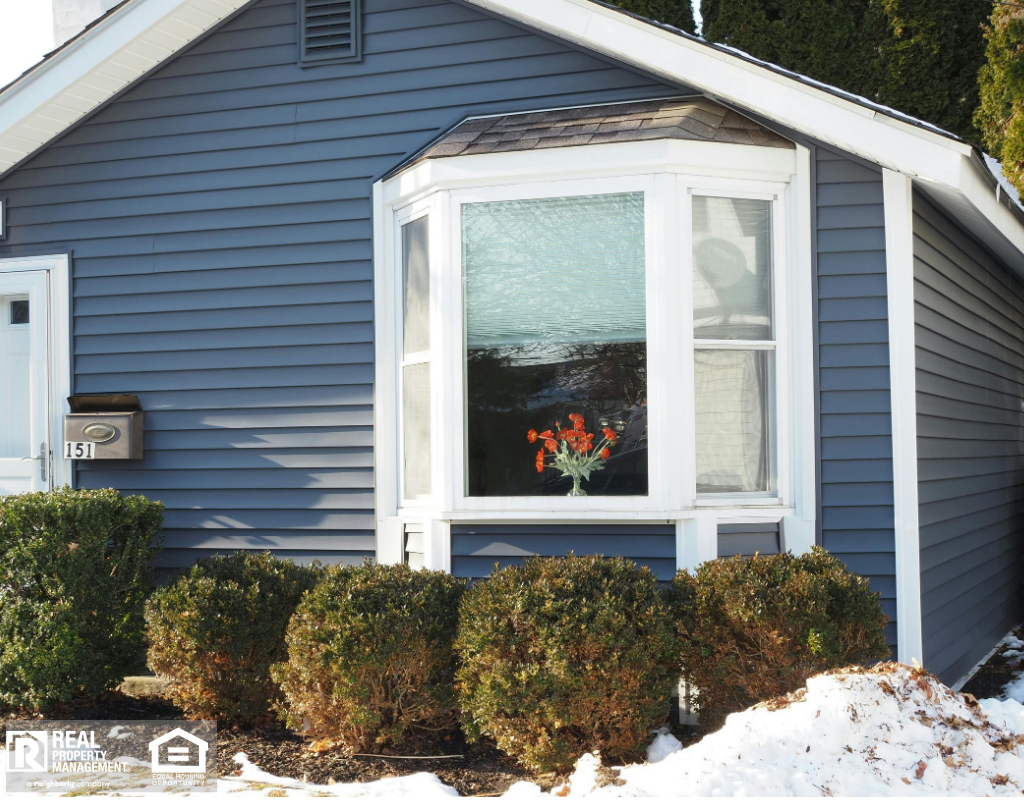
Some of the most expensive winter repairs begin with symptoms that are easy to overlook, including:
-
Uneven indoor temperatures
-
HVAC systems are running more frequently than normal
-
Small moisture spots or slow leaks
-
Changes in drainage or water pressure
Monitoring these signs allows property managers to intervene early, reducing the likelihood of system failure or property damage.
Winter Risks Vary by Region—but Oversight Matters Everywhere
Winter affects rental properties differently depending on location, but every climate presents seasonal risks.
In colder regions, properties face freeze-related plumbing stress and increased heating demands. In milder or coastal areas, moisture intrusion and drainage challenges are more common. Even in warmer climates, winter can expose insulation gaps, strain HVAC systems, and bring unpredictable weather events.
Professional property managers adjust their approach based on regional conditions rather than applying a one-size-fits-all strategy.
How Tenant Behavior Impacts Properties in Winter
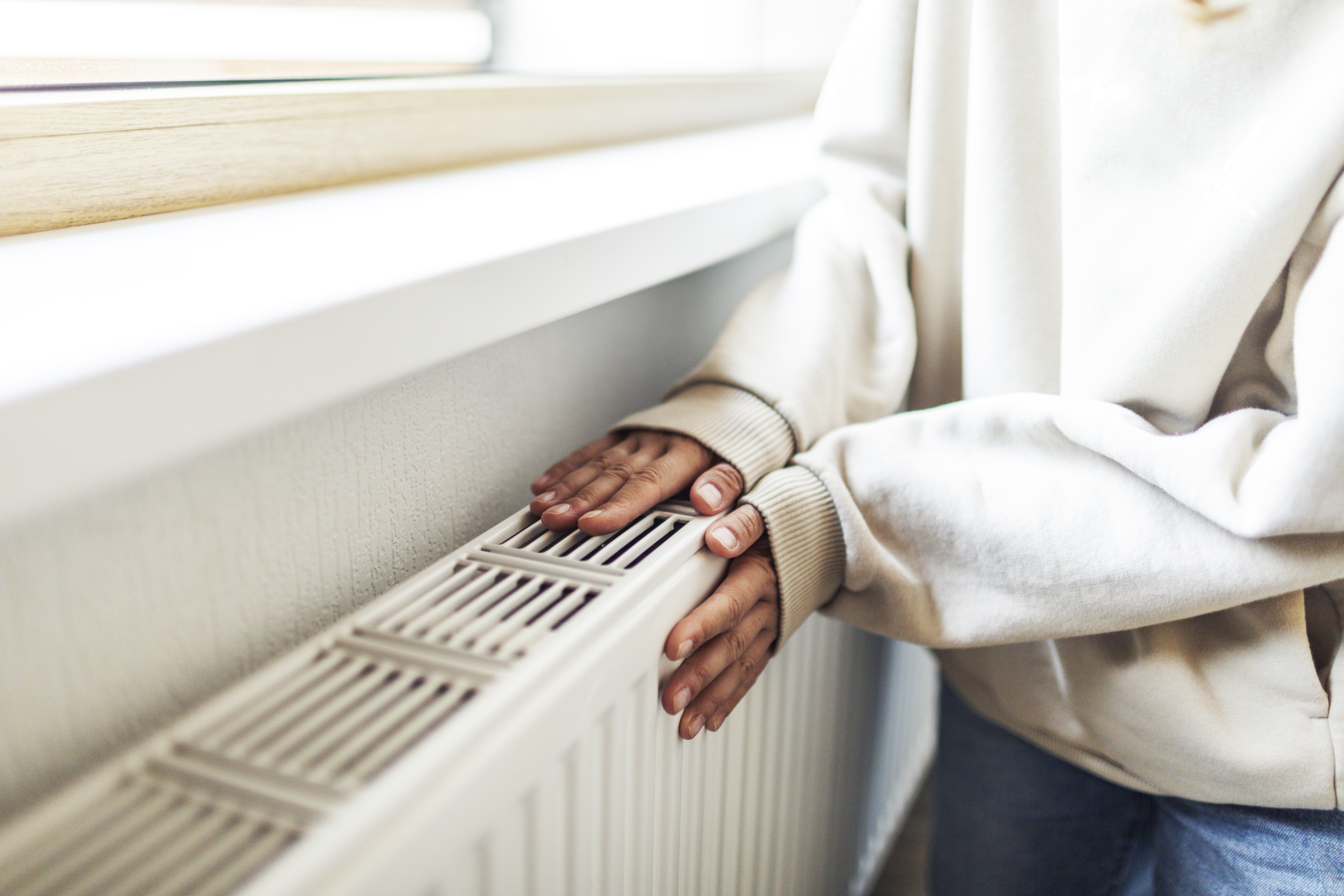
Tenant behavior shifts during winter months, increasing wear on systems and common areas. Higher indoor occupancy, greater heating usage, delayed maintenance reporting, and increased slip-and-fall risks can all affect property performance.
By anticipating these patterns, property managers help reduce avoidable damage, liability concerns, and emergency repair costs.
Why Proactive Winter Management Protects Rental Value
Consistent winter oversight helps prevent emergency repairs, control maintenance expenses, and support tenant satisfaction. Properties that receive proactive seasonal management are better positioned for a smooth transition into the spring leasing season and long-term asset protection.
Winter rarely creates problems overnight—it exposes small issues that were already present. Professional property managers recognize these risks early and address them strategically, helping rental property owners protect their investments year-round.
If you own rental property, our team at Real Property Management Champion provides proactive, full-service property management designed to protect your investment in every season.
Contact us today to learn how professional oversight can help reduce risk, control maintenance costs, and support long-term rental performance.
We are pledged to the letter and spirit of U.S. policy for the achievement of equal housing opportunity throughout the Nation. See Equal Housing Opportunity Statement for more information.
